
2026-2030 Window Film Market Forecast: Distributors Guide to Nano-Ceramic & Sputtering Film Sourcing
Window Film Technology Evolution: Nano-Ceramic and Sputtering Become the New Standard (2026-2030)
From 2026 to 2030, the window film industry is experiencing major changes. Low-end films such as dyed and carbon continue to decline, while higher-performance technologies—including nano-ceramic and magnetron sputtering—are rapidly becoming the new standard for both automotive and architectural applications.
This guide helps distributors and installers understand each film category, its performance level, ideal use cases, and market forecast—enabling smarter inventory planning and product positioning.
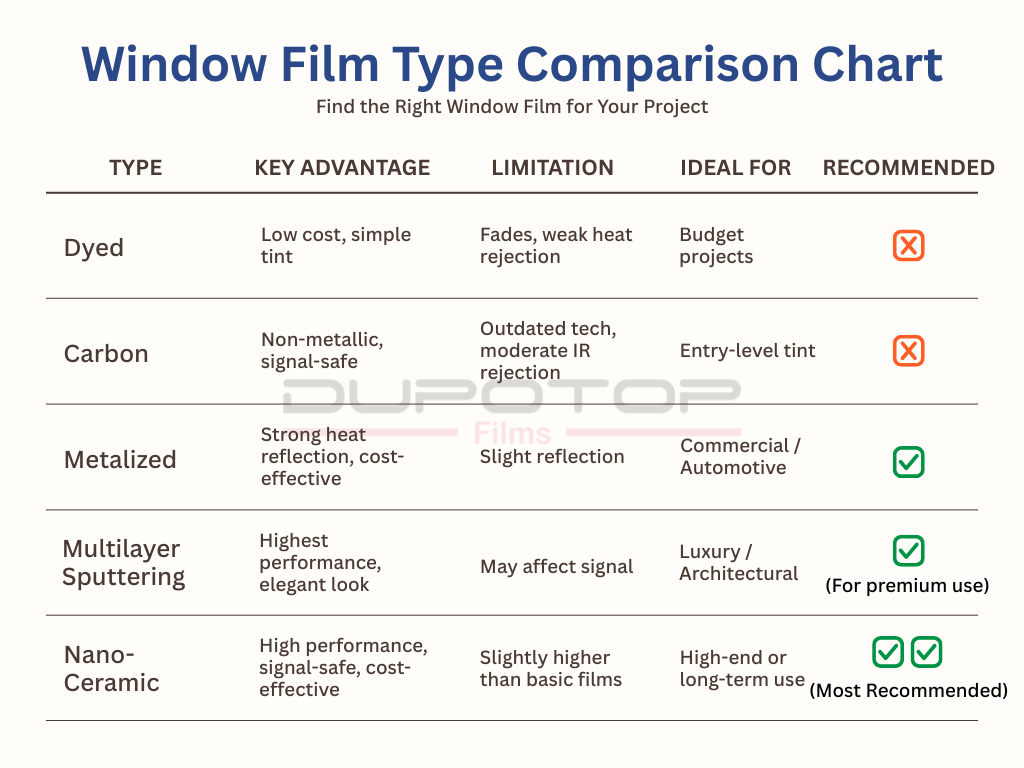
1. Dyed Film — Entry Level, Rapidly Declining
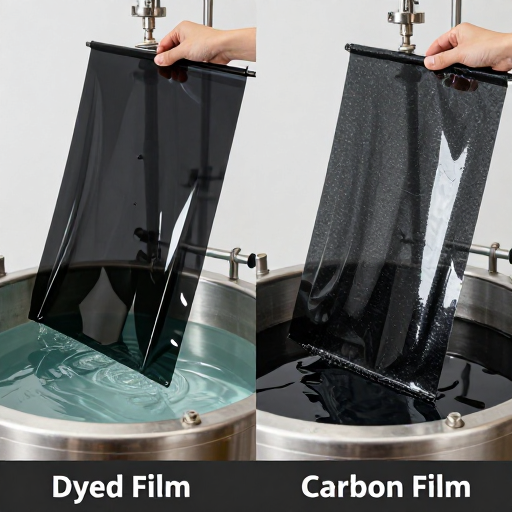
Dyed film is the most basic type of window film, using dyed PET to absorb heat.
✔ Low cost
✘ Fades quickly
✘ Poor heat rejection
✘ Short lifespan
Due to its aging issues and weak performance, dyed film will continue to phase out between 2026 and 2030.
Best For: Low-budget projects only.
2. Carbon Film — Mid-Low Tier, Gradually Declining
Carbon film uses carbon particles to reduce infrared heat.
✔ No signal interference
✔ More durable than dyed film
✘ Limited heat rejection
✘ Color stability issues over time
Although superior to dyed film, carbon film is still losing market share because the price gap between carbon and nano-ceramic is narrowing while the performance gap is widening.
Best For: Budget-conscious customers needing better durability than dyed film.
3. Nano-Ceramic Film: The New Mainstream Choice for Performance and Value
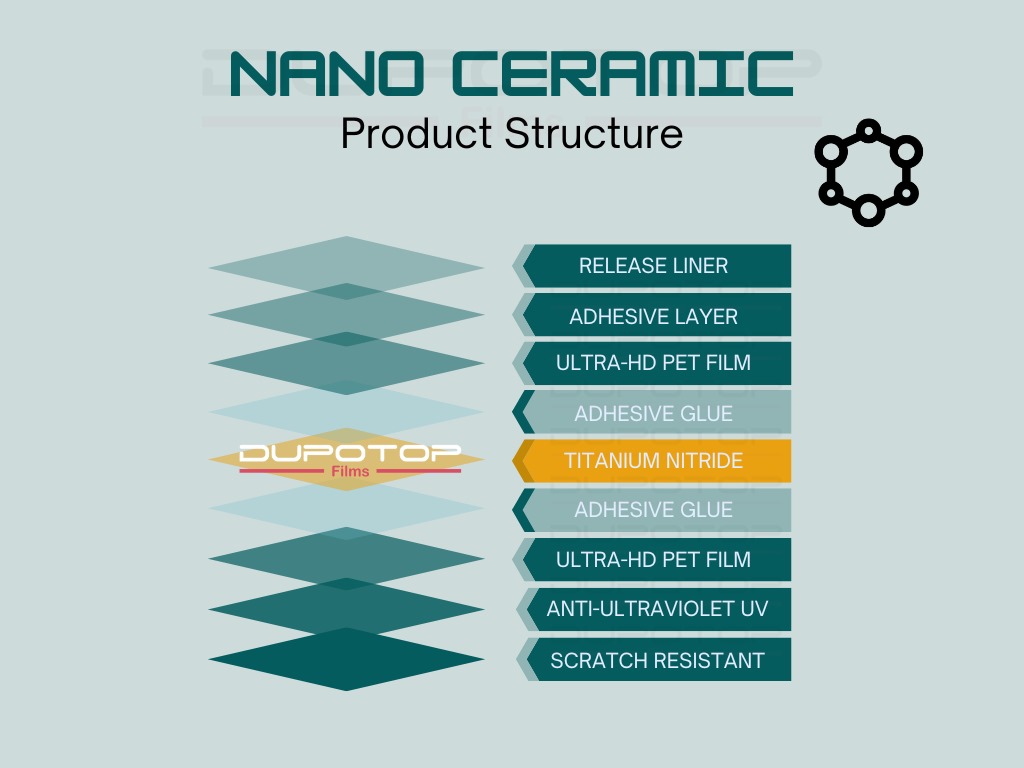
Nano-ceramic film is made with nano-sized ceramic particles that reject infrared heat while maintaining optical clarity.
✔ Excellent heat rejection
✔ High clarity
✔ No signal interference
✔ Best performance-to-price ratio
From 2026 to 2030, nano-ceramic is projected to become the dominant product category across both automotive and architectural markets due to its balance of cost, clarity, and thermal performance.
Best For: Mainstream consumer demand and most professional installation projects.
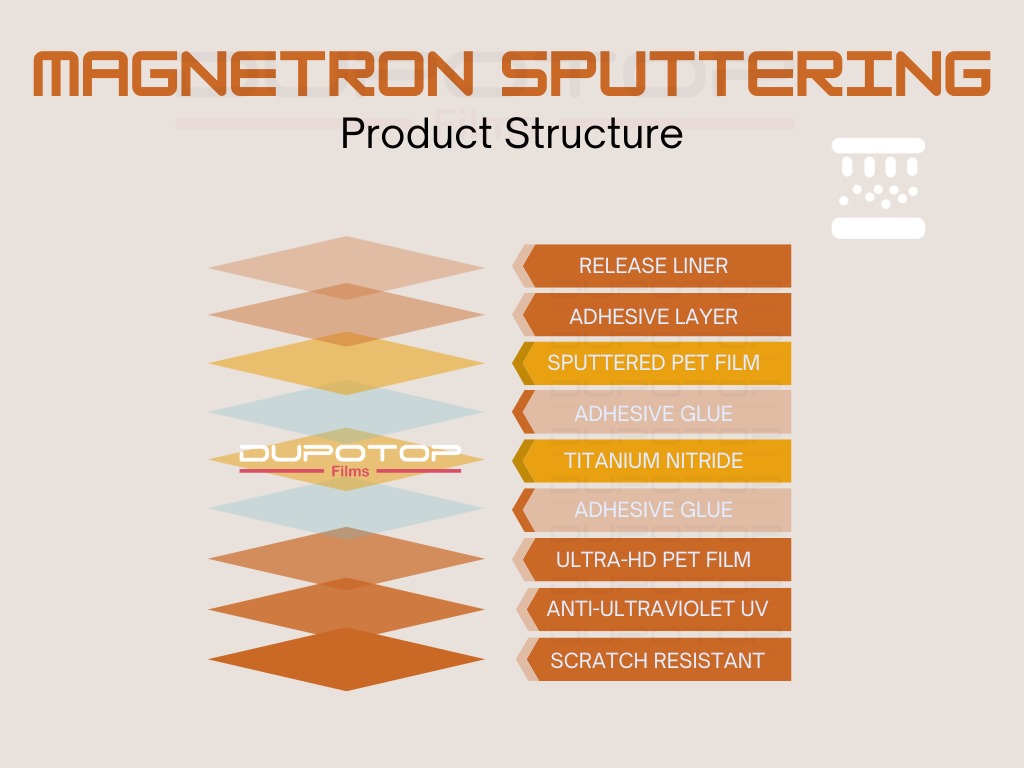
4. Magnetron Sputtering Film: The Fastest Growing Technology in the Premium Segment
Magnetron sputtering technology deposits metal or alloy layers evenly onto PET film using vacuum sputtering.
✔ Outstanding heat rejection
✔ Higher solar reflectance
✔ Premium, elegant appearance
✔ Strong durability and stability
As consumers become more performance-focused, the demand for sputtering films is rising quickly, especially in luxury automotive installations and modern architecture.
Best For: High-end clients, luxury vehicles, premium custom projects.
5. Multilayer Fully Sputtering — Ultra Premium (Niche Category)
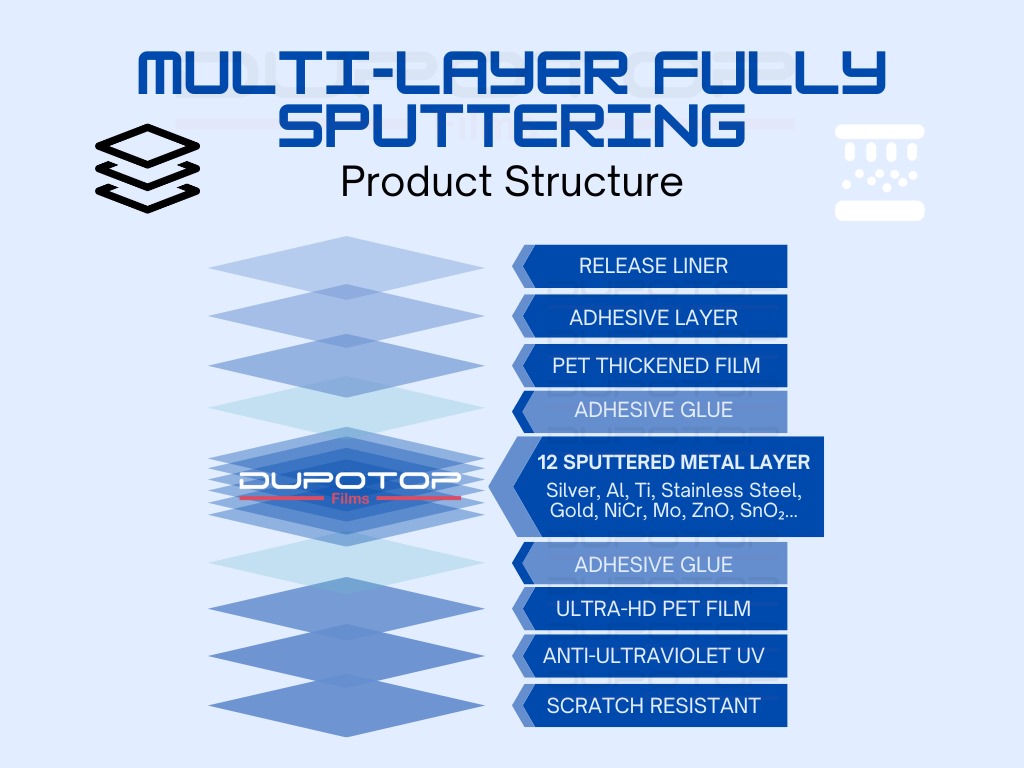
There is also an ultra-premium class known as multilayer fully sputtering films, characterized by extremely high optical precision and heat rejection.
However, due to very high production costs, this category remains niche and limited to luxury or specialized projects.
Distributor Inventory Strategy: 2026-2030 Window Film Market Trend Summary
Dyed Film → Phasing out
Carbon Film → Declining
Nano-Ceramic Film → Mass-market mainstream
Magnetron Sputtering Film → Fast-growing high-end segment
Multilayer Fully Sputtering → Niche luxury segment
How to Adjust Your Inventory for Future Profitability and Demand
To match future market demand:
✔ Make nano-ceramic your primary stock
✔ Add magnetron sputtering options for premium upsell
✔ Keep carbon film in smaller quantities
✔ Reduce or eliminate dyed film from inventory
This structure aligns with performance trends and ensures stronger long-term profitability.
Why Partner with Dupotop for Premium Nano-Ceramic and Sputtering Films
Dupotop provides high-performance nano-ceramic and sputtering window films engineered for modern automotive and architectural applications, ensuring excellent durability, thermal performance, and optical consistency.
Conclusion
Understanding the differences between window film types helps distributors, installers, and business owners select the ideal solutions for each project—and stay ahead of the major industry shift occurring from 2026 to 2030.
FAQ
Q1: What film type is ideal for most customers?
Nano-ceramic film offers the best balance of performance, clarity, and value.
Q2: Do sputtering films still interfere with signals?
Modern magnetron sputtering films are engineered to reduce interference to minimal levels.
Q3: Are dyed films still worth stocking?
Not recommended unless required for extremely low-budget packages.
Q4: What is the most future-proof window film option?
Nano-ceramic for mainstream volume, sputtering films for high-end clients.

Ready to Profit from the Future? Secure Your Inventory Now.
Leverage the shift toward Nano-Ceramic and Sputtering films to lock in higher margins. Contact our wholesale team today to discuss 2026-2030 inventory volumes and partnership benefits: