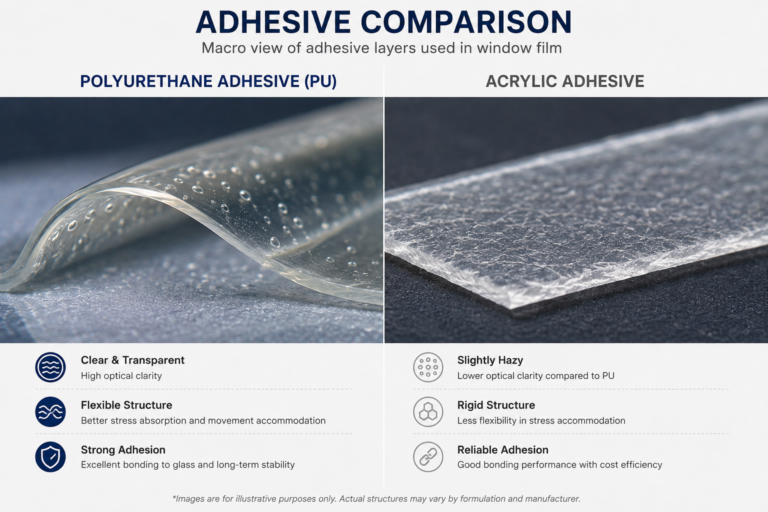
Ever wonder why premium window films cost more? Discover the critical differences between acrylic and polyurethane (PU) adhesives in handling thermal stress and installation.
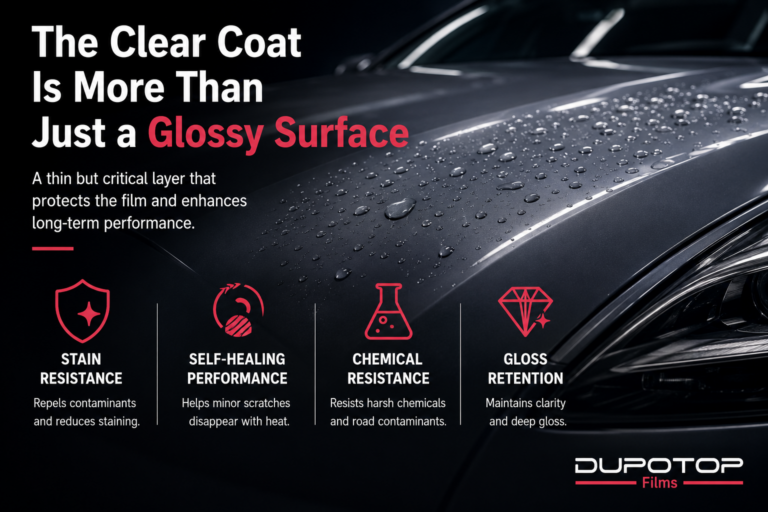
The clear coat on paint protection film does much more than add gloss. Learn how it improves stain resistance, self-healing, durability, and long-term performance.
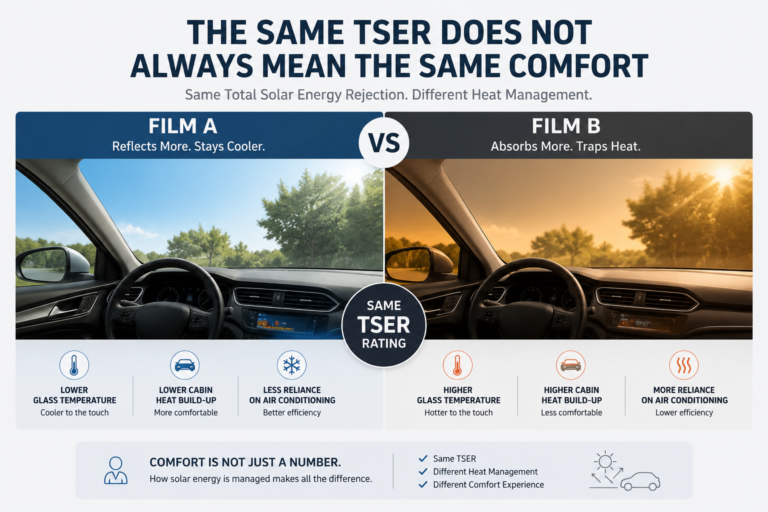
Two window films can have the exact same TSER rating but feel completely different inside your car. Discover the critical difference between heat reflection and absorption.
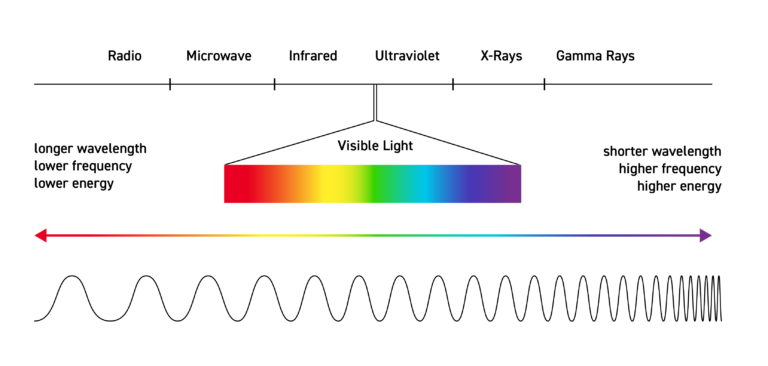
High IR rejection does not always equal better heat performance. Discover the truth about the solar spectrum, TSER, and heat absorption vs. rejection.
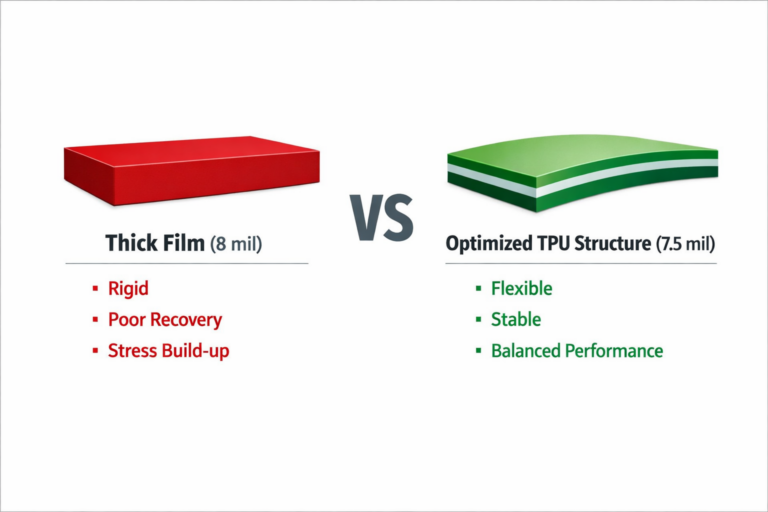
Does higher thickness mean a higher grade of PPF? Learn why material structure and TPU chemistry matter more than mils for protection and durability.
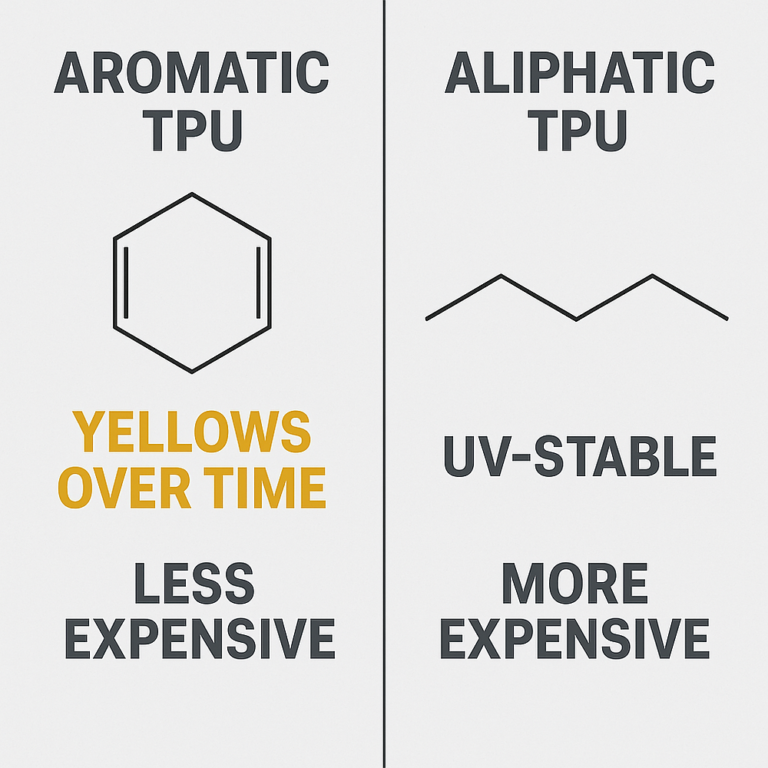
Not all PPF is equal. Learn the difference between Aliphatic vs Aromatic TPU, and why Polyether-based TPU is the gold standard for non-yellowing PPF in 2026.
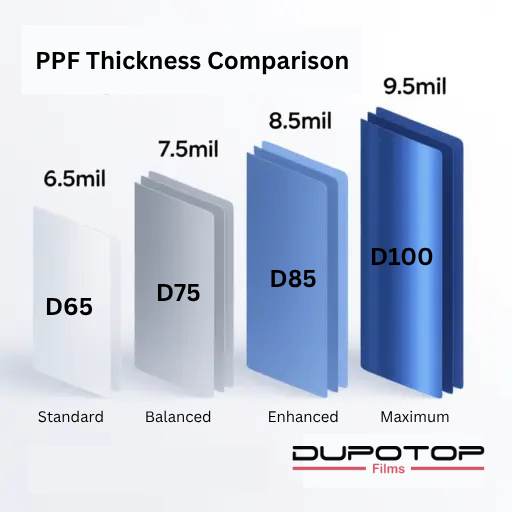
Wondering how thick PPF should be? Compare 6 mil, 8.5 mil, and 10 mil Paint Protection Film. Discover why 8.5 mil is the top choice for Malaysia drivers in 2026.
Master your 2026-2030 window film inventory strategy. This guide compares Dyed, Carbon, Nano-Ceramic, and Sputtering Film pros and cons, helping distributors and installers achieve efficient sourcing and higher profit margins.
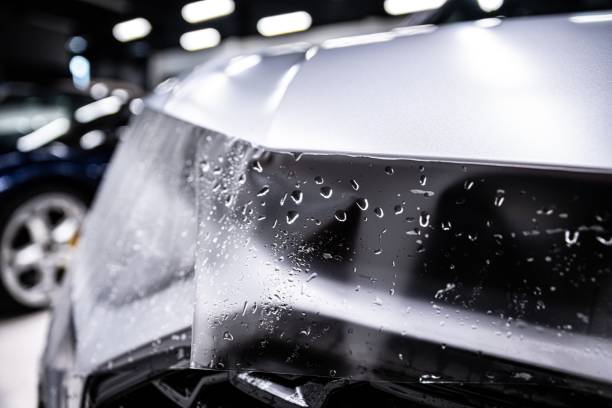
Master the science of modern TPU Self-Healing PPF. Our wholesale guide for installers and distributors explains heat-activated repair, ensuring superior customer satisfaction and repeat business.

An essential guide for wholesale buyers. Compare Dyed, Metalized, and Nano-Ceramic Window Film types based on performance, cost, and profitability. Learn how to build a balanced product inventory.