

Why High IR Rejection Doesn’t Always Mean Better Heat Rejection
A Material-Based Explanation of Window Film Performance
Introduction: A Number That Sounds Convincing
In the window film industry, infrared (IR) rejection is often used as a key selling point.
It is common to see claims such as:
- “Up to 90% IR rejection”
- “Higher IR means better heat blocking”
- “Choose films with the highest IR value”
These statements are widely accepted because they are simple, numerical, and easy to compare.
However, from a material and energy perspective:
IR rejection is only one part of the heat equation — not the whole picture.
What Is IR — and What It Is Not
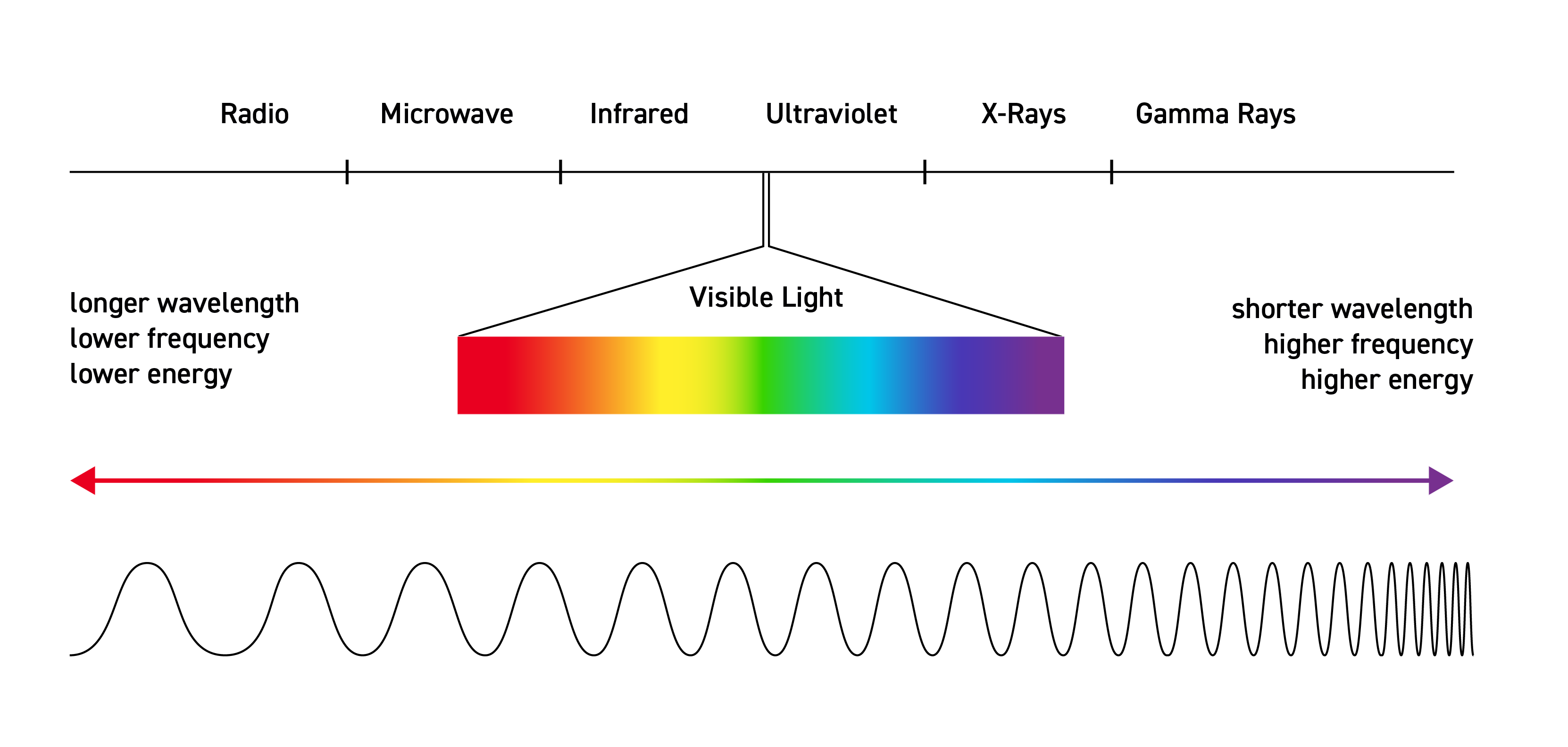
Infrared radiation is a component of solar energy associated with heat.
But it does not represent the entirety of heat entering a vehicle or building.
Solar energy consists of three main components:
- Ultraviolet (UV)
- Visible light (VIS)
- Infrared (IR)
While IR contributes significantly to heat, visible light also carries energy, and together they determine the actual thermal load.
Focusing only on IR is similar to evaluating a system by looking at a single variable.
Why IR Rejection Alone Does Not Define Heat Rejection

1. Solar Energy Is a Full Spectrum System
Most IR rejection values are measured at specific wavelengths (often within a narrow band).
In reality, solar radiation spans a broad spectrum.
A film that performs well at a selected IR wavelength may not perform equally well across the entire energy range.
2. Measurement Conditions vs Real-World Exposure
Laboratory IR measurements are controlled and selective.
Real-world conditions involve:
- Continuous exposure across multiple wavelengths
- Changing angles of sunlight
- Different glass types and thicknesses
A high IR number does not guarantee consistent performance under real conditions.
3. Absorption Is Not the Same as Rejection
This is one of the most overlooked factors.
Some window films achieve high IR values by absorbing heat, rather than reflecting or rejecting it.
This leads to a different thermal behavior:
- The film and glass heat up
- Heat can be re-radiated inward
- Surface temperature increases over time
A film can show high IR rejection and still feel warm in prolonged exposure.
What Actually Determines Heat Rejection Performance

To evaluate real heat performance, a broader perspective is required.
1. Total Solar Energy Rejection (TSER)
TSER considers the entire solar spectrum, including:
- UV
- Visible light
- Infrared
It provides a more complete indication of how much total energy is being managed.
2. Spectral Selectivity
A film’s performance depends on how it interacts with different wavelengths.
This includes:
- Balancing visible light transmission
- Managing infrared energy across a range
- Avoiding excessive absorption
3. Material and Coating Technology
The structure of the film plays a critical role.
For example:
- Multi-layer optical films
- Magnetron sputtering coatings
These technologies influence whether energy is:
- Reflected
- Absorbed
- Transmitted
Material design determines energy behavior — not a single percentage value.
Real-World Perspective: What Users Actually Experience
From a user standpoint, heat is not a number — it is a cumulative experience over time.
Factors that influence perception include:
- Duration of sun exposure
- Vehicle or building orientation
- Glass heat buildup and re-radiation
- Cabin or indoor air circulation
A film optimized for IR numbers alone may:
- Feel acceptable initially
- Become warmer during prolonged exposure
Thermal comfort depends on how energy is managed over time, not just how it is measured at a point.
A More Practical Way to Evaluate Window Film
Instead of asking:
“What is the IR rejection percentage?”
A more meaningful evaluation would be:
- What is the TSER value?
- How does the film perform across the full spectrum?
- Does the film absorb or reject heat?
- How stable is the performance over time?
Conclusion: Numbers Can Be Optimized — Energy Cannot
IR rejection is easy to highlight and compare.
But heat, as experienced in real conditions, is the result of a system-level interaction.
Numbers can be optimized for marketing.
Heat is experienced as a system.

Dupotop Perspective
We don’t sell claims. We explain materials.